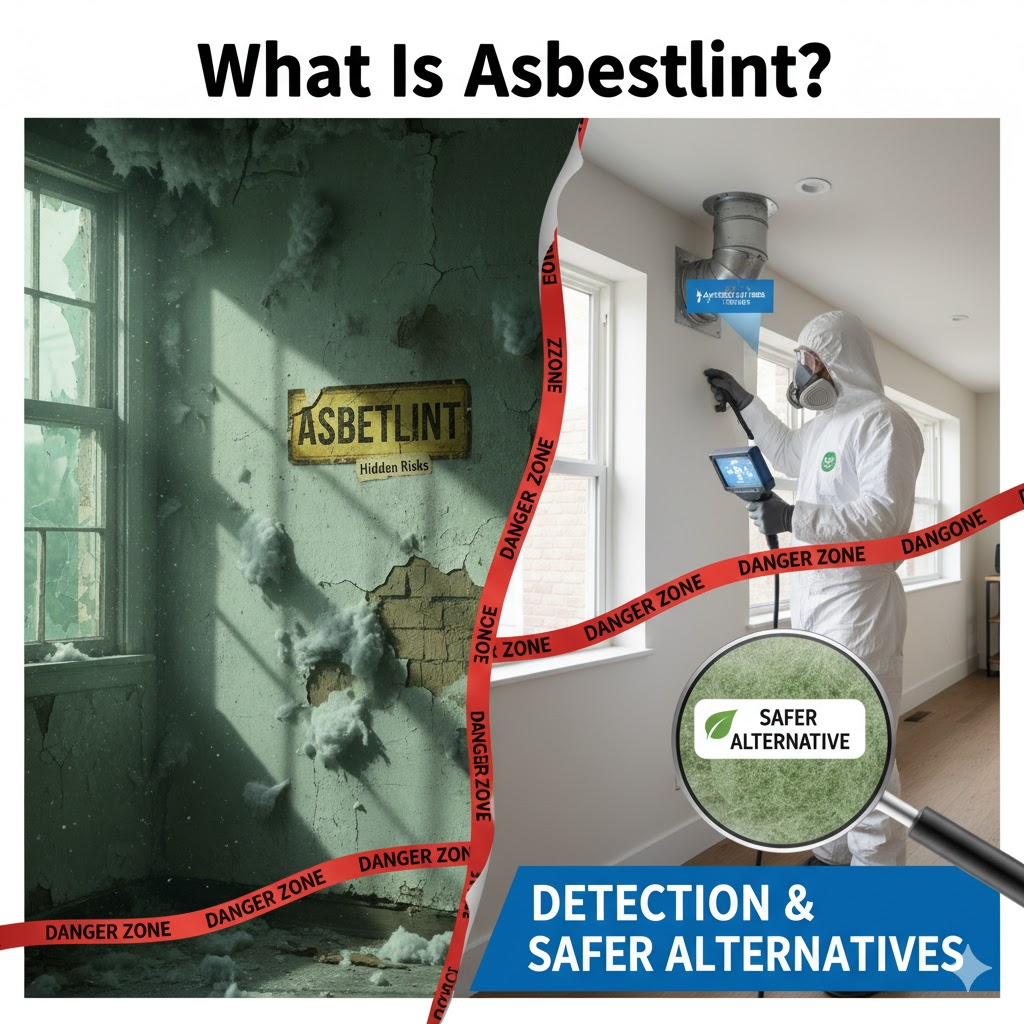
Asbestlint, often referred to as asbestos tape or asbestos-based insulation, is a fibrous material derived from asbestos minerals. Its ability to resist heat, fire, and chemical damage made it a popular choice in the construction and manufacturing industries during the 20th century.
It was used in pipes, boilers, ceiling tiles, floor coverings, and insulation for both homes and factories. However, its strength and heat tolerance come with a hidden danger: when damaged or disturbed, asbestlint releases microscopic fibers into the air. These fibers, when inhaled, can lodge deep in the lungs and cause irreversible damage over time.
Health Risks of Asbestlint Exposure
The health effects of asbestlint exposure can be severe and long-term. Even minimal exposure carries potential risks because asbestos fibers are not easily expelled from the body.
Major health concerns include:
-
Asbestosis: Scarring of lung tissue caused by prolonged inhalation of asbestos fibers.
-
Lung Cancer: A higher risk for those exposed to airborne fibers, especially smokers.
-
Mesothelioma: A rare but aggressive cancer affecting the lining of the lungs or abdomen.
Symptoms such as shortness of breath, persistent cough, and chest tightness often appear decades after initial exposure. This delayed onset makes prevention and early detection vital.
Where Can Asbestlint Be Found?
Asbestlint can be present in a surprising number of building materials, particularly in structures built before the 1980s when asbestos use was at its peak. During that era, asbestos was considered an innovative solution for insulation and fireproofing, leading to its widespread application across residential, commercial, and industrial properties.
In many older homes and buildings, the basement is a common hiding spot for asbestlint. It was often used to insulate heating pipes, boilers, and ductwork, where its heat-resistant qualities were most valued. Over time, these wrappings can deteriorate, releasing fine asbestos fibers into the air when disturbed.
Moving upward, ceiling tiles are another likely location. Many acoustic and decorative tiles manufactured before modern safety regulations may contain asbestos for added durability. These materials can release harmful fibers if cracked or broken during maintenance, renovation, or demolition work.
Flooring materials including vinyl tiles, linoleum sheets, and adhesive backings—also commonly incorporated asbestos. Even if the tiles themselves appear intact, removing old flooring or sanding adhesives can release fibers that have settled beneath the surface.
In addition, roofing shingles, plaster, and textured paints were often manufactured with asbestos to increase strength and fire resistance. Homeowners may unknowingly encounter asbestos while patching leaks, repainting walls, or restoring older decorative finishes.
Electrical wiring insulation and heating ducts can contain asbestos components too, especially in industrial or mid-20th-century properties. These materials may remain undisturbed for years, posing minimal risk—until repairs or upgrades take place.
Even seemingly harmless decorative coatings or wall plasters may conceal asbestlint. Identifying potential sources is crucial before starting any renovation, repair, or demolition work. A professional inspection ensures that safety measures are taken before disturbing materials that may contain asbestos fibers.
How to Identify Asbestlint
Detecting asbestlint requires careful observation and knowledge of building history. Because it looks similar to many common construction materials, visual identification alone is rarely enough. However, there are several warning signs that can suggest its presence.
1. Building Age:
The first indicator is the construction date. Homes and commercial properties built before 1980 are at a higher risk of containing asbestos products. If your building hasn’t been renovated since then, it’s worth considering an asbestos inspection before making structural changes.
2. Texture and Appearance:
Asbestlint often has a grayish-white or dull-colored appearance and a fibrous, cloth-like texture. It can resemble worn insulation, old fabric tape, or dusty residue on pipes and walls. In some cases, it may appear hardened or brittle with age, but still dangerous if disturbed.
3. Material Condition:
Cracking, flaking, or crumbling materials are strong indicators that asbestos fibers could become airborne. Areas such as ceilings, attics, and mechanical rooms should be checked for signs of deterioration.
4. Location:
Check places where heat and fire resistance were required such as boiler rooms, attics, and around air vents. These are prime areas where asbestos products were once used.
5. Professional Testing:
The only definitive way to confirm the presence of asbestlint is through laboratory analysis. Certified asbestos inspectors use specialized equipment to collect samples safely and analyze them under a microscope using techniques such as polarized light microscopy (PLM) or transmission electron microscopy (TEM).
Because improper handling can spread asbestos fibers throughout a building, homeowners should never scrape, drill, or cut materials suspected of containing asbestlint. Instead, consult professionals who can test samples safely and accurately without risking exposure.
What to Do If You Suspect Asbestlint
Discovering or suspecting the presence of asbestlint in your home or workplace can be alarming but the key is to act calmly, cautiously, and correctly. Disturbing the material can make the situation worse, so proper steps should always be followed.
1. Avoid Disturbing the Area:
Do not touch, cut, or attempt to clean materials that might contain asbestlint. Physical contact can release microscopic fibers into the air, increasing the risk of inhalation.
2. Document What You See:
If you notice suspicious materials—especially in older sections of your property—take clear photographs and note their locations. Documentation will be helpful when consulting experts or filing safety reports.
3. Isolate the Affected Space:
To prevent fibers from spreading, close off the area. Use plastic sheeting and duct tape to seal vents and doorways temporarily until professionals can inspect the site. Avoid vacuuming or sweeping, as these actions can cause airborne contamination.
4. Contact Certified Professionals:
Hire licensed asbestos inspectors or remediation contractors to assess and manage the situation. These specialists have the necessary training, protective gear, and filtration systems to handle asbestos safely. They can determine whether encapsulation or complete removal is the best solution.
5. Follow Local Regulations:
Different regions have strict laws regarding asbestos testing, removal, and disposal. Ensure the professionals you hire comply with local health and environmental standards. Proper disposal in approved facilities is essential to avoid contamination.
By acting quickly and responsibly, you minimize health risks and ensure that your home remains safe for you, your family, and future occupants. Managing asbestlint with professional help not only safeguards personal health but also prevents environmental harm that can result from improper handling.
Professional Testing and Removal
Professional asbestos removal is the safest approach for dealing with asbestlint. Licensed experts are trained in handling, sealing, and disposing of asbestos-containing materials according to environmental standards.
During testing, they take controlled samples for lab analysis. If asbestos is confirmed, the material is either encapsulated (sealed to prevent fiber release) or removed entirely under strict safety conditions.
This professional process ensures your home remains safe and compliant with environmental regulations. DIY attempts, on the other hand, can result in contamination and significant health hazards.
Legal and Environmental Considerations
Governments around the world enforce regulations regarding asbestos management to protect workers and residents. Companies that fail to comply with safety standards can face heavy penalties, lawsuits, and reputational damage.
Improper disposal of asbestlint can contaminate soil and water, posing long-term environmental threats. Specialized waste facilities handle asbestos materials to prevent pollution and ensure proper containment.
Modern Solutions and Safer Alternatives
The decline of asbestlint use has encouraged innovation in building materials. Today, safer and sustainable alternatives have replaced asbestos-based products in most industries.
Common alternatives include:
-
Fiberglass Insulation: Offers excellent heat resistance and is non-toxic.
-
Cellulose Insulation: Made from recycled paper treated for fire resistance.
-
Mineral Wool: Provides high thermal performance with no fiber inhalation risks.
These materials not only protect human health but also contribute to eco-friendly construction practices.
The Future of Asbestlint
Global awareness about asbestos hazards continues to grow. Many countries have banned or heavily restricted asbestlint use, leading to a shift toward non-toxic materials and improved workplace safety standards.
Advancements in environmental monitoring, encapsulation technologies, and fiber-free insulation are paving the way for a future free from asbestos-related dangers.
The ongoing transition reflects a collective commitment to public health, sustainable development, and environmental protection.
Conclusion: The Importance of Awareness and Prevention
Understanding asbestlint is more than a matter of curiosity it’s a matter of safety. This material, once prized for its durability, now stands as a reminder of the importance of health-focused innovation and vigilance.
By identifying, managing, and replacing asbestlint responsibly, you not only protect your household but also contribute to a healthier future for the environment. Awareness, professional guidance, and proactive prevention remain the most powerful tools against the hidden dangers of asbestos.


