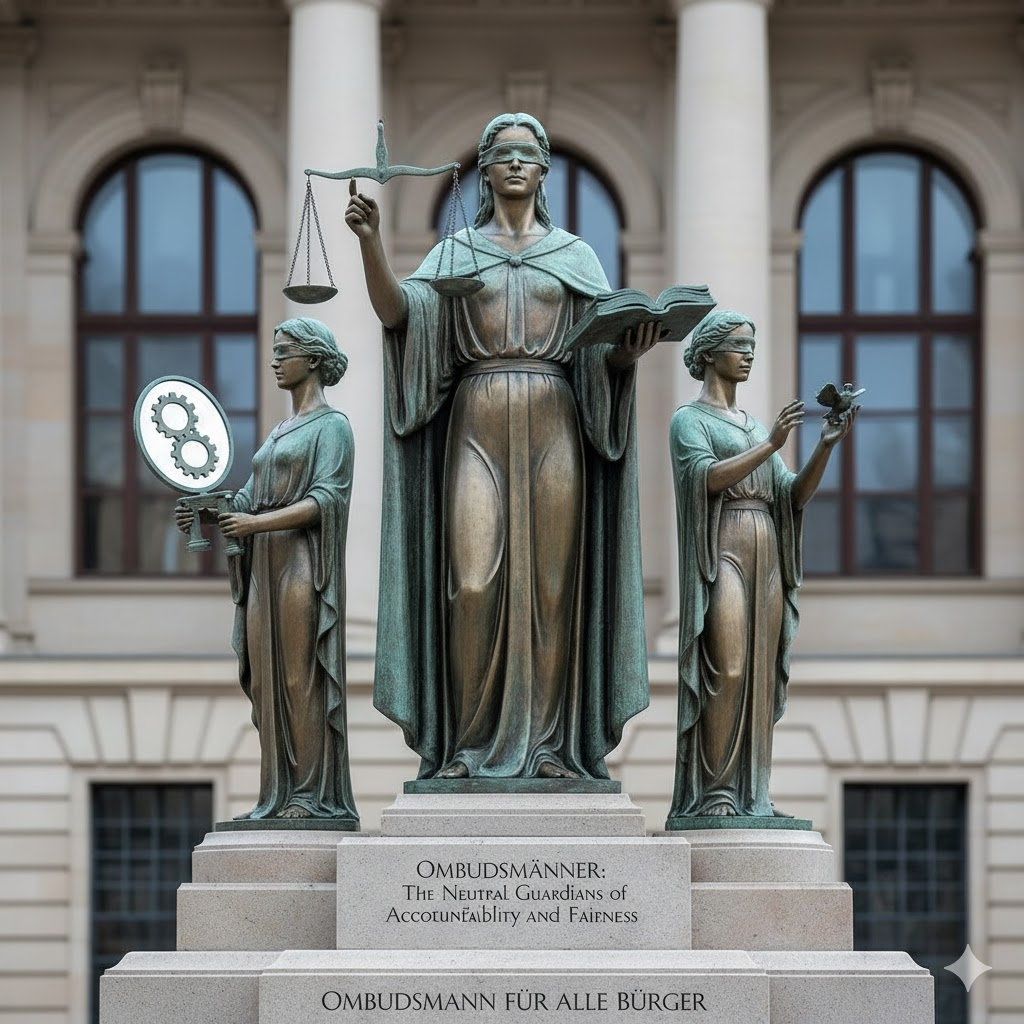
In an age where institutions grow ever more complex and citizens demand transparency, the concept of ombudsmänner has gained renewed relevance. This German plural form (singular: Ombudsmann) refers to officials or agents appointed to oversee complaints, mediate disputes, and promote accountability within public or private institutions. While the idea is not new, its importance continues to expand as societies evolve.
Below, we unpack the meaning, roles, challenges, and future of ombudsmänner — offering original insight while preserving factual clarity.
What Does “Ombudsmänner” Mean?
The term Ombudsmann originates from Scandinavian governance traditions, roughly meaning “representative” or “commissioned agent.” Over time, the concept was adopted in many countries and institutional settings to describe a neutral actor empowered to investigate complaints. In German-speaking environments, ombudsmänner is the plural form, referring to multiple individuals serving such roles.
These officials are not advocates for complainants or institutions but act as impartial intermediaries. Their authority typically lies in investigation, recommendation, mediation, and oversight — though the extent of binding power can vary by jurisdiction.
Core Functions and Responsibilities
1. Receipt and Assessment of Complaints
Ombudsmänner provide a channel for individuals — citizens, employees, clients — to voice grievances. These may concern administrative decisions, bureaucratic maladministration, workplace disputes, rights violations, or unfair treatment.
2. Investigation and Fact-Finding
Once a complaint is accepted, the ombudsmann conducts an impartial investigation. This may involve requesting documents, interviewing affected parties, reviewing policies, and assessing whether actions align with law, regulations, and fair practice.
3. Mediation and Dialogue
Rather than strictly adjudicating, an ombudsmann often acts as a mediator. By bringing parties together, clarifying misunderstanding, and exploring solutions, they facilitate resolution without resorting to litigation.
4. Recommendations and Reports
After investigation, the ombudsmann issues recommendations or a formal report. These may urge corrective action, policy change, compensation, or procedural reforms. While not always binding, many institutions take them seriously to maintain credibility.
5. Systemic Oversight
Ombudsmänner often note recurring themes or structural flaws across complaints. They may publish periodic reports highlighting patterns of concern, thereby influencing institutional or legislative reform.
Settings Where Ombudsmänner Operate
-
Public (Governmental) Sector: National, regional, or municipal governments may appoint ombudsmänner to supervise public administration and protect citizen rights.
-
Corporate / Private Sector: Large firms may employ internal ombudsmänner to handle employee issues, client complaints, or conflicts of interest.
-
Educational Institutions: Universities or schools may have ombudspersons to address disputes over academic policies, discipline, or fairness in student affairs.
-
Healthcare / Social Services: Patients or beneficiaries may lodge grievances via ombudsmänner to seek redress for service quality or access issues.
In each domain, ombudsmänner share the consistent expectation of independence, neutrality, and accessibility.
Why Ombudsmänner Matter — Their Value
Accessibility and Informality
For many, formal legal routes are costly, complex, or intimidating. Ombudsmänner provide a more approachable alternative — an avenue for resolution outside courts.
Neutrality Builds Trust
Because ombudsmänner are supposed to operate without bias, they can bridge gaps between individuals and institutions. Their neutrality can encourage parties to believe they will be heard fairly.
Early Conflict Resolution
Many disputes escalate if left unaddressed. Ombudsmänner can defuse tension early, avoiding formal litigation, reputational damage, or protracted processes.
Institutional Improvement
Through their oversight and trend analysis, ombudsmänner offer feedback loops that can enhance policies, processes, and accountability — benefitting organizations and the public alike.
Legitimacy and Confidence
The presence of an ombudsmann role signals that institutions welcome scrutiny. This can increase public confidence in governance or corporate operations.
Challenges and Constraints
While ombudsmänner offer many advantages, they also face significant obstacles:
-
Limited Authority
In many systems, ombudsmänner can only issue recommendations, not binding orders. If the organization ignores these, the complainant may gain no real remedy. -
Insufficient Resources
Underfunded offices or small staff may struggle to handle high complaint volumes or conduct in-depth investigations. -
Political Interference
In sensitive cases, institutions or officials may resist oversight or pressure the ombudsmann, undermining independence. -
Lack of Awareness
Many potential users are unaware of the role or existence of an ombudsmann, reducing uptake and impact. -
Balancing Neutrality and Advocacy
Ombudsmänner must tread carefully: they cannot appear partial, yet also must ensure valid grievances are addressed. That balancing act is delicate.
Best Practices for Effective Ombudsmänner
To maximize their impact:
-
Institutional Independence: Ombudsmänner should be insulated from regular management, reporting directly to oversight bodies or parliaments.
-
Strong Mandate: Legal or charter provisions should clearly define access, powers, confidentiality, and protection from interference.
-
Adequate Resources: Sufficient funding, staffing, and training are essential.
-
Transparency and Reporting: Regular public reporting on trends and recommendations fosters credibility.
-
Confidentiality Guarantees: Complainants must trust that their identities and concerns will not lead to retaliation.
-
Outreach and Education: Institutions should promote awareness of ombudsmänner services so people know to use them.
Modern Trends and Evolution
In the 21st century, the role of ombudsmänner is evolving in response to new challenges:
-
Digital Complaints Handling
Many offices now accept online submissions, chat, or virtual mediation to accommodate remote or dispersed populations. -
Cross-Border Disputes
As businesses and services transcend national boundaries, ombudsmänner may work in transnational frameworks or networks. -
Specialized Ombudsmänner
Some jurisdictions now appoint ombudspersons in niche areas — for children’s rights, digital services, financial services, or data protection. -
Stronger Legal Backing
There is a growing movement to empower ombudsmänner with binding decision-making powers in certain domains, raising their status from advisory to enforceable oversight. -
Data Analytics and Pattern Detection
Modern offices use analytics to spot unseen patterns — for example, clusters of complaints pointing to systemic flaws.
A Hypothetical Scenario
Imagine a government department where citizens frequently complain that building permit applications take interminably long. An Ombudsmänner office receives dozens of complaints citing delays, lost documents, and unclear criteria. Upon investigation, the ombudsmann finds procedural bottlenecks, insufficient staffing in regional offices, and lack of clarity in guidelines.
The ombudsmann issues a report recommending stricter timelines, transparent checklists, staff reassignments, and a digital tracking system. The department incorporates some recommendations, publishes its action plan, and over time, the average permit process shortens. The ombudsmann continues to monitor whether the reforms stick.
This kind of intervention exemplifies how the institution works not only to resolve individual complaints but to promote systemic reform.
Conclusion
The concept of ombudsmänner stands at the intersection of fairness, accountability, and mediation. While they do not replace courts or regulatory agencies, their unique role provides a crucial layer of oversight and redress. Through impartial investigations, recommendations, and systemic insight, ombudsmänner bolster trust between citizens and institutions.
Yet their impact depends on genuine independence, legal support, awareness, and resources. As societies demand more transparency and institutions grow in complexity, the role of ombudsmänner is likely to deepen and broaden.
They are not just mediators they are guardians of fairness, championing the idea that everyone deserves to be heard and treated with integrity.


