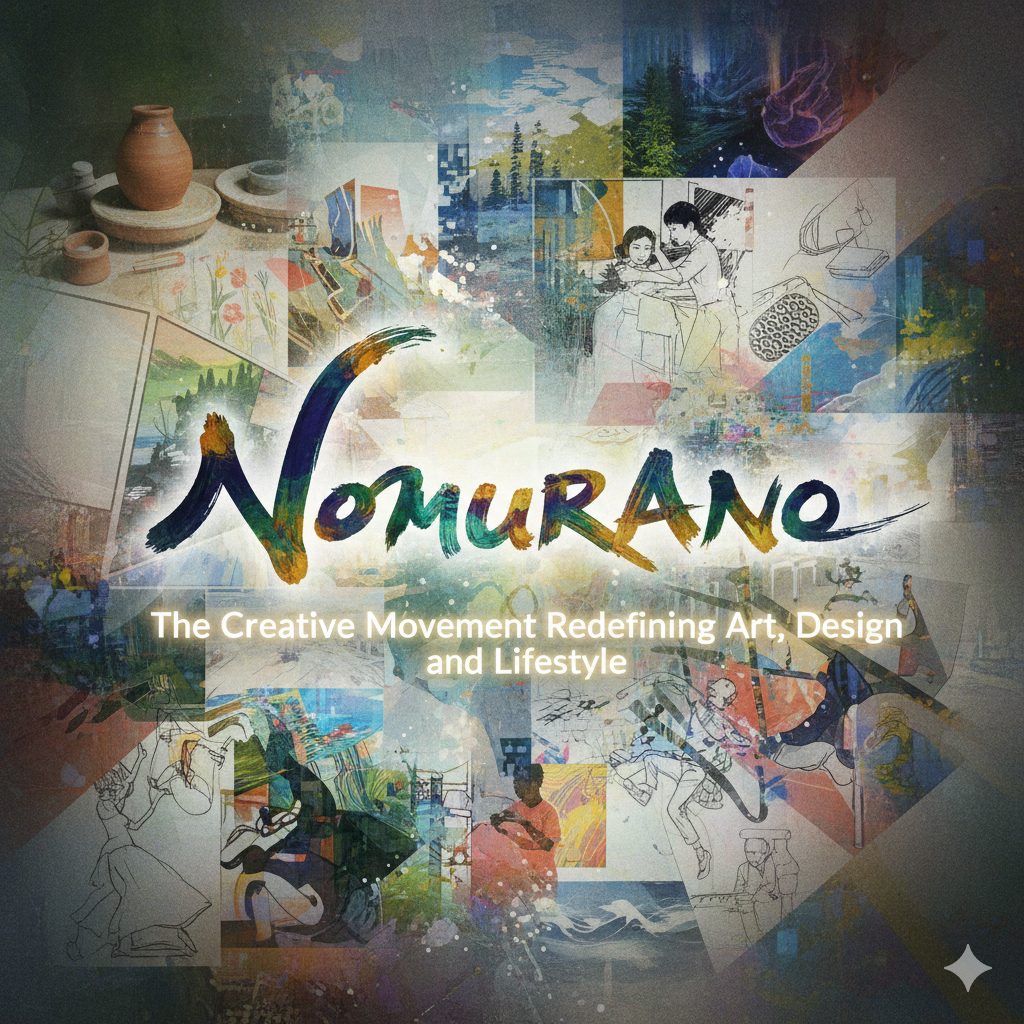
Have you ever stumbled upon a word that seems to pop up in art forums, design blogs, and creative spaces, yet no one can tell you exactly what it means? That word might be Nomurano. At first glance, it looks like a brand, a mysterious artist, or even a concept from a sci-fi novel. But Nomurano is none of these things—and all of them at once.
In this article, we’ll explore what makes Nomurano fascinating, why it’s gaining momentum in 2025, and how it’s influencing art, design, lifestyle, and even business. By the end, you’ll have a clear understanding of Nomurano and why it matters in our fast-evolving creative world.
Table of Contents
-
Understanding Nomurano
-
The Origins and Meaning of Nomurano
-
The Philosophy Behind Nomurano
-
Nomurano in Digital Art and Online Aesthetics
-
Nomurano in Architecture, Product Design, and Fashion
-
Nomurano vs Traditional Branding
-
Notable Nomurano-Inspired Projects
-
The Nomurano Community
-
Nomurano in Academia
-
Why Nomurano Matters in 2025 and Beyond
-
The Future of Nomurano
-
Conclusion
-
FAQs
Understanding Nomurano
At its core, Nomurano represents a fusion of creativity, experimentation, and freedom. It’s a concept used by artists, designers, and thinkers to describe projects that don’t fit neatly into conventional categories. Think of it as a placeholder for the undefined, a term that gives you permission to explore without boundaries.
Nomurano isn’t a product, a brand, or a person—it’s an idea. An approach. A mindset that values curiosity, process, and co-creation over commercial outcomes.
The Origins and Meaning of Nomurano
The word itself is mysterious, which is part of its charm. Linguistically, it seems to pull from multiple roots:
-
No: a negation, suggesting absence or non-existence
-
Mura: Japanese for “village,” or Latin “murus,” meaning wall or boundary
-
Ano: could mean “that” in Japanese or indicate distance/relationship in Romance languages
Put together, Nomurano feels like a space that is distant, flexible, and open-ended—something that can belong anywhere and mean many things.
Historically, Nomurano emerged from digital and creative communities, often as anonymous usernames or signatures on experimental art platforms. Over time, it evolved into a shared cultural term, a symbol for freedom, collaboration, and exploration.
The Philosophy Behind Nomurano
Nomurano is about process over product. The act of creating matters more than the final result. It encourages dialogue, exploration, and co-authorship. Many artists sign their work as Nomurano to de-center the ego and focus on collective creativity.
Its philosophy resonates with postmodern, non-binary, and decolonial approaches:
-
Identity is fluid
-
Art is evolving
-
Meaning is co-created
In other words, Nomurano is a mindset as much as it is a concept. It challenges the obsession with branding, perfection, and commercial clarity.
Nomurano in Digital Art and Online Aesthetics
In digital spaces, Nomurano thrives as a marker of radical experimentation. You’ll find it attached to:
-
Generative art projects
-
Interactive web interfaces
-
AI-driven storytelling
-
Glitch-inspired visuals
A Nomurano project might feel more like a dream or puzzle than a traditional website. Navigation is nonlinear, experiences are immersive, and the user becomes a co-creator. It’s about engagement, not instruction.
Nomurano in Architecture, Product Design, and Fashion
Nomurano isn’t just online—it extends into physical design:
Architecture
-
Multipurpose spaces that transform over time
-
Rooms with ambiguous functions
-
Buildings that blur indoor/outdoor boundaries
Product Design
-
Objects that are functional yet abstract
-
Tools or furniture that invite interpretation
-
Minimalist designs with symbolic intent
Fashion
-
Genderless, seasonless garments
-
Clothing as wearable art
-
Designs that resist easy categorization
Across these disciplines, Nomurano acts as a principle: freedom, ambiguity, and user-centered creativity.
Nomurano vs Traditional Branding
Traditional branding is about clarity, recognition, and consistency. Nomurano flips that:
| Branding | Nomurano |
|---|---|
| Fixed identity | Open identity |
| Polished products | Experimental, evolving |
| Commercial focus | Exploration over recognition |
For creators frustrated by the pressure to brand themselves perfectly, Nomurano offers creative liberation. It’s messy, fluid, and inspiring—exactly what many people crave in today’s commercialized world.
Notable Nomurano-Inspired Projects
Some standout Nomurano-inspired initiatives include:
-
Ghost Architecture – Rooms appear only when you make sound; walls shift dynamically
-
The Negative Bloom – A digital poem that reacts to user actions like blinking
-
Nomurano.exe – Software interface that regenerates every time it’s opened
-
Folded Skins – Wearable art where clothing shifts shape with the wind
-
1000 Windows – Online film where narrative changes depending on interface interaction
These projects share a theme: the user becomes co-creator, and the work resists full explanation.
The Nomurano Community
The Nomurano community is anonymous, decentralized, and collaborative. Contributors share work in encrypted forums, zines, or private networks. The shared identity encourages experimentation without ego.
This community embodies early internet values:
-
Decentralization
-
Anti-commercialism
-
Experimentation
At the same time, it maintains an aesthetic sensibility aligned with postmodern design.
Nomurano in Academia
Even academic circles have started referencing Nomurano:
-
Design seminars: Nomurano-coded projects = open-ended, experimental
-
Creative writing: Nonlinear narratives or authorless texts
-
Posthuman and speculative design research: Nomurano as a metaphor for fluidity
It’s a living concept, helping scholars articulate what can’t yet be fully defined.
Why Nomurano Matters in 2025 and Beyond
In an era obsessed with branding, productivity, and optimization, Nomurano provides a breath of fresh air. It tells creators:
“You don’t have to finish the sentence. You don’t have to explain yourself.”
It encourages freedom, experimentation, and curiosity—values that resonate with younger generations and forward-thinking innovators.
The Future of Nomurano
Looking ahead, Nomurano could influence:
-
AI-generated art: evolving, unpredictable outputs
-
Urban design: public spaces that shift with community needs
-
Education: teaching “Nomurano thinking” for design from questions, not answers
-
Publishing: authorless works emphasizing shared meaning
Its potential is vast because Nomurano is adaptable—it grows as culture and technology evolve.
Conclusion
Nomurano is more than a word—it’s an invitation. It represents freedom, creativity, collaboration, and ambiguity. Whether in digital art, fashion, architecture, or academic theory, it challenges traditional expectations and inspires new ways of thinking.
By embracing Nomurano, creators, thinkers, and audiences alike can explore without boundaries, prioritize process over product, and redefine what it means to make meaningful work in 2025 and beyond.
FAQs About Nomurano
What is Nomurano?
A creative concept used for open-ended, experimental projects in art, design, and digital media.
Is Nomurano a real brand or person?
No—it’s a shared term among creative communities.
Where did Nomurano come from?
It began as an anonymous tag in online art spaces and evolved into a cultural concept.
How is Nomurano applied?
In digital art, architecture, fashion, and product design—projects that encourage exploration and co-creation.
Why is Nomurano gaining popularity?
It offers freedom, ambiguity, and creative experimentation in a world dominated by branding and clarity.


